
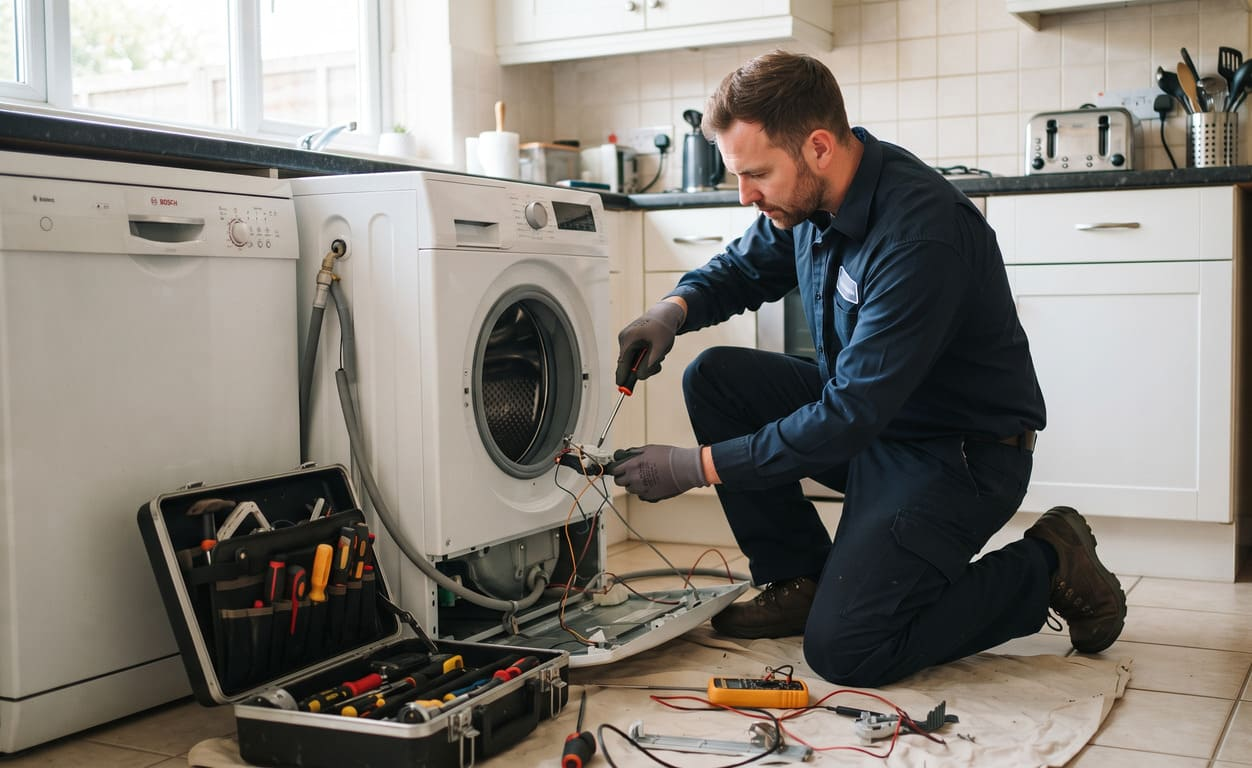
Household appliances are a significant financial investment designed to make daily life more convenient. However, when a major appliance breaks down unexpectedly, it is not just a disruption to your routine—it can also be a massive blow to your household budget. The secret to extending the lifespan of your machines and avoiding hefty emergency service bills isn’t luck; it is routine preventive maintenance.
By adopting a few simple, consistent habits, you can keep your kitchen, laundry room, and home systems running efficiently for years. This comprehensive guide outlines the exact maintenance steps you need to take to protect your investments and keep your home functioning flawlessly.
Maximizing Kitchen Appliance Efficiency
The kitchen is the heart of the home, and its appliances endure the most daily wear and tear. Keeping them in top condition requires regular attention.
Refrigerators: Keep the Chill
Your refrigerator runs 24 hours a day, 7 days a week. When its components get dirty, the compressor has to work much harder to maintain safe food temperatures, which drastically shortens its lifespan. Every six months, pull your fridge away from the wall and vacuum the condenser coils located at the back or underneath the unit. Pet hair, dust, and debris insulate these coils, trapping heat.
Additionally, wipe down the rubber door gaskets with warm, soapy water to ensure a tight seal. A loose seal allows cold air to escape, driving up your energy bill. If your fridge stops cooling properly despite your best efforts, prompt refrigerator repair can save your groceries and prevent compressor burnout. If you own a modern, high-tech model, specialized Samsung Repair technicians frequently note that keeping coils clean is the number one way to prevent electronic and cooling failures.
Ovens, Ranges, and Cooktops
Spills and boil-overs are inevitable during cooking, but ignoring them can permanently damage igniters and surface heating elements. For gas ranges, keep the burner ports clear of food debris using a pin or a stiff brush to ensure an even flame. For electric and induction models, clean the glass surface with specialized non-abrasive cleaners to prevent scratching and pitting. Scratched glass can weaken and eventually shatter under high heat, requiring costly cooktop repair.
Inside the oven, avoid using the self-cleaning feature too frequently, especially right before major holidays. The extreme heat of the self-cleaning cycle can sometimes short out the electronic control board. Instead, wipe down the interior regularly. If your oven stops heating evenly, scheduling professional range and oven repair is much cheaper than replacing the entire unit. High-end, professional-grade models require even more specific care; relying on certified Viking Repair experts ensures your luxury ranges maintain their precise temperature controls.
Dishwashers: Fighting Hard Water and Clogs
A dishwasher that leaves glasses cloudy and plates dirty is usually suffering from a clogged filter or hard water scale buildup. At the bottom of most modern dishwashers is a removable filter trap. Remove it monthly and rinse it under hot water to clear out food particles and grease.
To combat mineral deposits, place a cup of white vinegar on the top rack of an empty dishwasher and run a hot water cycle once a month. This naturally descales the internal hoses and spray arms. If the water stops draining entirely, the drain pump may be blocked, necessitating professional dishwasher repair. Owners of premium European dishwashers should follow exact manufacturer descaling guidelines, or consult Bosch Repair specialists, to keep their ultra-quiet motors running without a hitch.
Protecting Your Laundry Room Investments
Laundry appliances manage high volumes of water, heavy fabrics, and intense heat. Neglecting them can lead to devastating water leaks or severe fire hazards.
Washing Machines: Preventing Leaks and Odors
The most catastrophic appliance failure in a home is a burst washing machine hose. Inspect your rubber water intake hoses annually for blisters, cracks, or extreme wear. Upgrade to stainless steel braided hoses for superior durability.
For front-loading washing machines, mold and mildew are common enemies. Always leave the door slightly ajar after a cycle to allow the drum to dry completely, and wipe down the rubber door gasket to remove standing water. Overloading the drum is the fastest way to burn out the motor or snap the drive belt. Respecting the capacity limits will help you avoid premature washing machine repair. Premium models, such as those requiring KitchenAid Repair or similar high-end service, often have specific tub-clean cycles that should be run monthly.
Dryers: Efficiency and Fire Safety
A clothes dryer relies on unrestricted airflow to remove moisture from your clothing. Cleaning the lint screen before every single load is non-negotiable. However, lint also bypasses the screen and builds up inside the dryer cabinet and the exterior venting duct.
If your clothes are taking longer than one cycle to dry, or the outside of the dryer becomes excessively hot, your vent is likely clogged. This is a severe fire hazard. Hiring a professional dryer vent cleaning service at least once a year ensures safe airflow and drastically reduces energy consumption. If the thermal fuse blows due to a clogged vent, you will need professional dryer repair to get the unit tumbling and heating again.
Air Quality and Whole-Home Maintenance
It is easy to forget that the air circulating through your house directly impacts your appliances. High levels of ambient dust and pet hair will clog refrigerator coils and dryer intakes much faster. Investing in a professional air duct cleaning service improves your indoor air quality and keeps dust out of the sensitive mechanical components of your expensive household machines. Built-in, high-end appliance suites, which might occasionally require luxury GE Monogram Repair, are particularly sensitive to poor airflow and overheating.
Appliance Maintenance Frequency Guide
Keep track of your household tasks with this quick-reference schedule:
| Appliance | Maintenance Task | Recommended Frequency |
| Refrigerator | Vacuum condenser coils & clean door gaskets | Every 6 months |
| Dishwasher | Clean bottom filter trap & run vinegar cycle | Once a month |
| Washing Machine | Inspect intake hoses for cracks or bulges | Once a year |
| Washing Machine | Wipe down rubber gasket & leave door ajar | After every use |
| Clothes Dryer | Empty lint trap screen | Before every load |
| Clothes Dryer | Deep clean exterior exhaust duct | Once a year |
| Oven/Range | Clean burners and wipe up spills | Weekly / As needed |
7 Universal Maintenance Habits to Adopt
To maximize the longevity of your household appliances, integrate these habits into your routine:
- Read the Manual: Every appliance has specific quirks. The manufacturer’s manual dictates the exact cleaning solutions and maintenance schedules required to keep the warranty intact.
- Don’t Overload: Whether it is stuffing too many jeans into the washer or packing the fridge so tightly that air cannot circulate, overloading strains appliance motors and reduces efficiency.
- Use the Right Detergents: Only use High-Efficiency (HE) detergent in HE washers. Using regular detergent creates excessive suds that can damage the electronics and cause leaks.
- Address Strange Noises Immediately: Grinding, squeaking, or rattling sounds are warning signs. Ignoring them usually turns a minor $100 part replacement into a $600 catastrophic failure.
- Keep Them Level: Use a bubble level to ensure your washer, dryer, and refrigerator are sitting perfectly flat on the floor. Unlevel appliances vibrate excessively, tearing apart internal bearings and joints.
- Replace Filters Promptly: Refrigerator water filters, microwave grease filters, and dishwasher traps need regular replacement to prevent clogs and bacterial growth.
- Clean the Exteriors Carefully: Avoid harsh chemicals on stainless steel or digital touchpads. Use microfiber cloths and specialized cleaners to prevent scratching or shorting out control panels.
Signs You Need Professional Help
Even with flawless preventive maintenance, parts eventually wear out. Call a certified technician if you notice any of the following red flags:
- Water pooling under the refrigerator or dishwasher.
- The dryer runs but produces absolutely no heat.
- The washing machine violently shakes or fails to drain the water.
- The oven takes twice as long to preheat or burns food constantly.
- You smell burning rubber, electrical sparks, or gas near any appliance.
Serving the Greater Washington Area
When routine maintenance isn’t enough to solve the problem, it is crucial to rely on experienced local professionals who understand the specific needs of your high-value appliances. Fast, reliable service prevents minor issues from permanently ruining your equipment.
If you live in the greater Seattle metro area, prompt assistance is always nearby. Whether you need an emergency repair in Seattle or comprehensive diagnostics in Bellevue, expert technicians are available. We proudly service homes across the region, including tech-centric neighborhoods in Redmond and waterfront properties in Kirkland. Residents in the northern suburbs can also access top-tier appliance care, with dedicated service routes running through Everett and Lynnwood.
By combining your own diligent preventive maintenance with the expertise of local repair professionals, you can ensure your appliances run smoothly, efficiently, and cost-effectively for decades to come