
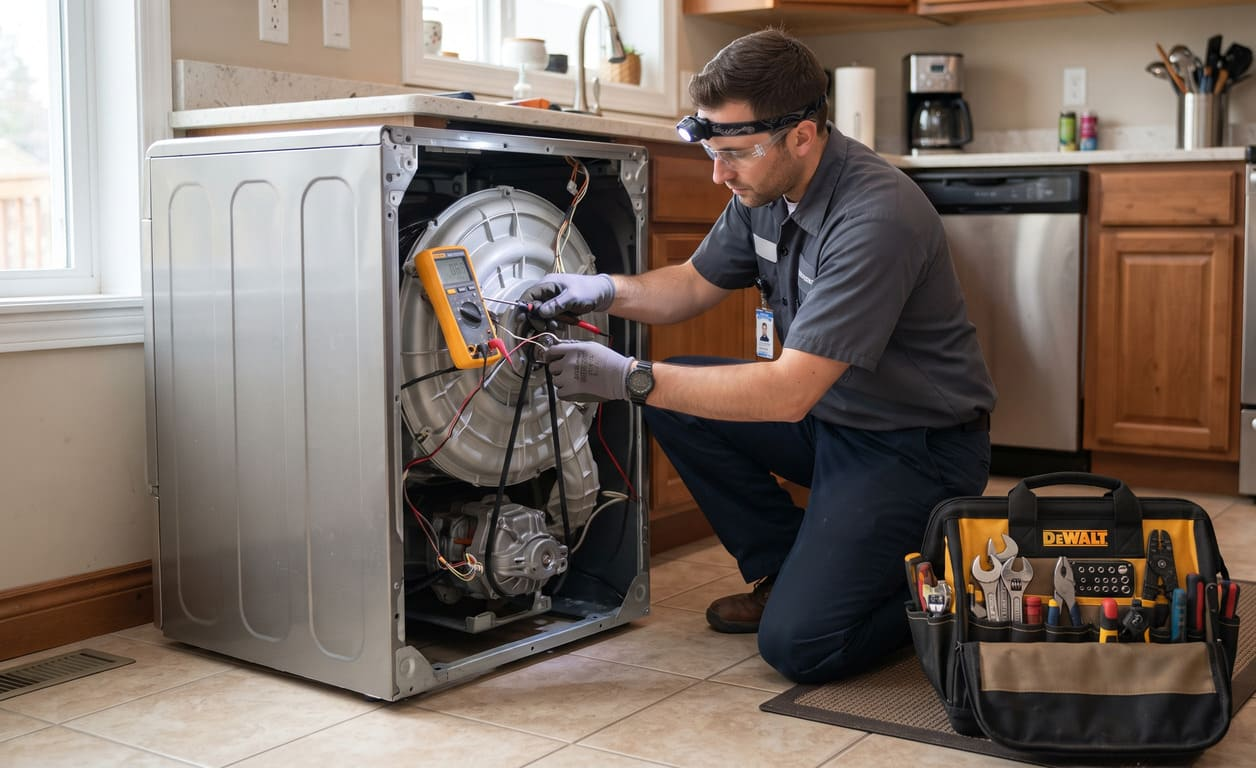
Every homeowner eventually faces the frustrating reality of a malfunctioning household machine. Whether your refrigerator suddenly stops cooling the week’s groceries or your washing machine refuses to drain after a heavy load, the immediate priority is always restoring functionality quickly and cost-effectively. One of the most critical decisions in this troubleshooting process—often entirely overlooked by consumers until the technician is standing in their kitchen—is choosing the exact type of replacement parts that will be installed inside their equipment.
The Core Dilemma in Appliance Troubleshooting
The fierce debate between using Original Equipment Manufacturer (OEM) parts versus generic, aftermarket parts has been ongoing for decades throughout the repair industry. While the allure of saving money with heavily discounted generic components is incredibly strong, the long-term implications for your sophisticated household systems can be overwhelmingly significant. To make an educated decision that balances upfront expenses with long-term mechanical reliability, we first need to define the technical landscape of the replacement parts market.
Understanding Original Equipment Manufacturer (OEM) Parts
OEM parts are manufactured either by the exact same corporate entity that built your machine originally or by a specialized third-party factory that has been strictly authorized and contracted by the brand. These authorized factories produce the components according to the brand’s exact engineering blueprints and rigorous specifications. They use the precise metal alloys, highly durable plastics, and calibrated electronic sensors that were utilized on the original assembly line. When you purchase an OEM part, you are receiving a component that is a 100% identical match to the broken piece you are replacing, ensuring optimal operational harmony.
What Are Generic Aftermarket Components?
Generic components, frequently referred to as aftermarket parts or universal replicas, are produced by independent manufacturing companies that possess no direct relationship with the original appliance brand. These independent engineers typically reverse-engineer the original factory components to create a functionally similar product that fits into the same physical space. However, they are not legally bound by the original brand’s strict material requirements or intensive quality assurance guidelines. To lower the retail price, aftermarket producers often utilize slightly thinner metals, alternative synthetic materials, or simplified electronic logic boards. While this successfully drives down the initial purchase price, it inherently introduces a significant variable of unreliability into the restoration process.
Critical Factors When Selecting Replacement Parts
When navigating the complex choice between original factory pieces and cheaper replicas, homeowners must carefully evaluate several technical and financial variables. Saving a few dollars today can easily result in hundreds of dollars in secondary damages tomorrow.
Here are the primary factors you must consider before approving a part installation:
- Precision of Fit: Authentic components guarantee a seamless and perfect fit because they are fabricated from the proprietary design files. Generic replicas are often engineered to fit a wide umbrella of different models, which means they might require physical modifications, bending of mounting brackets, or forceful insertion.
- Material Integrity and Testing: Original manufacturers subject their internal components to thousands of hours of stress testing under extreme heat and heavy vibration. Aftermarket producers rarely possess the research and development budget for such rigorous trials, which frequently translates to a drastically shorter operational lifespan.
- Warranty Preservation Clauses: If your household machine is still protected under an active factory or extended warranty, installing any aftermarket component will almost certainly void the entirety of that agreement. Official brands explicitly mandate the use of their certified components to maintain legal coverage.
- Performance and Calibration Consistency: In today’s high-efficiency smart appliances, even a microscopic deviation in a part’s electrical resistance or mechanical output can throw off the machine’s calibration, leading to erratic behavior and increased energy consumption.
- Household Safety Standards: For internal mechanisms that regulate explosive natural gas, high electrical voltage, or boiling water, the strict safety testing applied exclusively to OEM parts provides peace of mind that uncertified generic substitutes simply cannot guarantee.
Comparing OEM and Universal Components
To help you visualize the fundamental differences between these two distinct manufacturing paths, let’s break down how they compare across the most important consumer metrics.
| Comparison Metric | Original Equipment Manufacturer (OEM) | Generic / Aftermarket Components |
| Initial Purchase Cost | Generally higher due to premium materials and brand markup | Substantially cheaper, frequently offering savings of up to 30–50% |
| Market Availability | May require specialized ordering directly from authorized factory distributors | Highly accessible across internet marketplaces and hardware stores |
| Quality Control Standards | Incredibly strict, federally standardized, and explicitly model-specific | Highly variable and unpredictable; dependent on third-party ethics |
| Guarantees and Warranties | Usually includes a dependable 90-day to 1-year factory-backed warranty | Fluctuates wildly; ranges from no warranty to suspicious lifetime claims |
| Overall System Compatibility | Exacting match; guaranteed to integrate smoothly without digital conflicts | Universal design; frequently triggers digital error codes or mounting issues |
How the Type of Breakdown Influences Your Choice
The specific nature of the mechanical failure heavily influences whether you can afford to risk installing an aftermarket replica. The severity of the risk frequently boils down to the difference between replacing a simple piece of moving hardware and replacing a “smart” computer component.
Electronic Systems vs. Mechanical Hardware
If you are dealing with fundamental mechanical wear and tear, the inherent risks of going generic are slightly minimized. For instance, when completing a standard washing machine repair, substituting a snapped rubber drive belt or worn-out suspension springs with generic equivalents might provide several years of perfectly acceptable service without compromising the machine’s primary function.
However, the modern kitchen is entirely dominated by sensitive microprocessors and complex digital arrays. When precision is required, aftermarket parts fail miserably. If you require advanced refrigerator repair due to a malfunctioning digital main control board or a failing variable-speed inverter compressor, using an aftermarket replacement is a massive gamble. These sensitive electronics must communicate flawlessly with dozens of internal temperature sensors.
This strict necessity for absolute precision extends forcefully to thermal and cooking appliances. When a technician is performing a comprehensive range and oven repair, replacing faulty gas safety valves and igniters with uncertified generic parts introduces a terrifying risk of undetected gas leaks. Similarly, completing a modern cooktop repair requires precise magnetic induction coils and specialized glass-top thermal sensors that cheap aftermarket factories simply cannot replicate safely. Even in seemingly basic water management systems, such as during a thorough dishwasher repair, installing a generic water inlet valve that fails to shut off completely can cause a slow, invisible leak that ultimately destroys your hardwood flooring and custom cabinetry.
The Risks Associated with Premium Brands
The specific brand name stamped on the front of your equipment heavily dictates the replacement parts landscape. Luxury, high-end brands engineer their units with proprietary, patented technology that is closely guarded. If you have invested in a high-end culinary setup, services like Miele Repair and sophisticated Thermador Repair absolutely demand authentic factory components. The internal digital schematics of these machines are encrypted, and generic computer boards frequently trigger hard-lock error codes the second the machine is plugged into the wall. This strict requirement is equally true for professional-grade residential equipment; a successful Bluestar Repair relies entirely on exact factory-molded cast iron burners and proprietary thermostats to reliably maintain the massive BTU heat output these professional stoves are celebrated for.
Conversely, ubiquitous, mass-market household brands feature a massive aftermarket presence. Homeowners desperately needing a rapid Frigidaire Repair or a cost-effective Kenmore Repair will find the internet completely flooded with cheap generic alternatives shipped from overseas. While the low price tag is tempting, veteran technicians strongly advise sticking to OEM for internal functional elements, reserving the cheap aftermarket market strictly for cosmetic, non-moving fixes like cracked plastic crisper drawers or scratched exterior handles.
Comprehensive Maintenance to Prevent Component Failure
It is vital to recognize that frantically replacing broken internal parts is merely addressing the symptom, not the root disease. Very frequently, expensive electrical components fail prematurely because the surrounding physical environment of the machine has been entirely neglected by the homeowner.
The most common example of this is found in the laundry room. You might find yourself scheduling one dryer repair after another because the machine’s internal thermal fuse keeps spontaneously blowing. The actual root cause is rarely a defective machine, but rather a completely obstructed exhaust pipe. By proactively investing in a professional dryer vent cleaning service, you permanently remove the dangerous lint blockages that force the machine to violently overheat, saving you from continuously buying replacement fuses. Similarly, the longevity of your kitchen compressors and the cleanliness of the ambient air circulating around your machines can be drastically improved by a routine air duct cleaning service, which actively prevents thick household dust from suffocating your expensive appliance motors.
The Tangible Benefits of Hiring Professional Technicians
Because the technical requirements, voltage levels, and digital schematics of modern household equipment are so incredibly advanced, attempting to randomly source and install replacement parts yourself by watching internet videos often leads to catastrophic secondary damage.
There are several highly compelling reasons to trust certified local professionals rather than navigating the confusing parts market completely alone:
- Absolute Diagnostic Accuracy: Experienced professionals utilize digital multimeters to pinpoint the exact failing micro-component, preventing you from blindly wasting money purchasing expensive parts that your machine doesn’t actually need.
- Exclusive Access to Reliable Suppliers: Established and certified repair companies possess direct, vetted accounts with OEM factory distributors, guaranteeing that the parts installed in your home are 100% genuine and not dangerous counterfeits.
- Comprehensive Installation Guarantees: Reputable local technicians provide iron-clad labor and parts warranties, meaning if the newly installed factory part prematurely fails, they will return to your property to rectify the situation at absolutely no extra cost to you.
- Strict Safety Compliance: Licensed professionals ensure that all electrical and gas installations strictly meet local municipal building codes, which is absolutely critical for preventing household fires and ensuring your homeowner’s insurance remains valid.
Reliable Local Repair Services Across Washington State
For residents living throughout the Pacific Northwest, having immediate access to knowledgeable, certified local technicians guarantees that your busy household keeps running smoothly and efficiently without extended downtime. Whether you are situated amidst the bustling, fast-paced neighborhoods of Seattle or across the water in the rapidly expanding commercial hubs of Bellevue, premium professional assistance is always just a quick phone call away.
Tech-heavy residential households located in Redmond and sprawling waterfront properties situated in Kirkland benefit immensely from local technicians who intimately understand the specific, accelerated wear-and-tear caused by the region’s uniquely damp climate. Moving further north up the corridor, tight-knit residential communities in Everett and growing neighborhoods throughout Lynnwood can consistently rely on prompt, highly professional service that firmly guarantees the correct, authentic factory parts are utilized the very first time. This unwavering commitment to quality completely prevents frustrating recurring breakdowns and ensures the longest possible lifespan for your valuable household investments.
Ultimately, while the initial discounted price tag of generic, aftermarket parts can seem like an immediate financial victory, the massive hidden costs associated with poor mechanical fit, drastically shorter lifespans, and severe potential safety hazards heavily outweigh the minor upfront savings. By decisively choosing authentic original parts and relying exclusively on skilled local technicians for the installation, you are wisely investing in the ultimate reliability, safety, and longevity of the machines that make your daily life comfortable